








































Live dealer games on the Temple Tumble platform serve as a direct interface between remote players and real-time casino operations. These games are broadcast from dedicated studio environments staffed by professional personnel. Each session follows a predefined procedural framework, ensuring consistency across rounds. The operational structure is designed to align with regulatory standards applicable to the United Kingdom market. Game availability is contingent upon provider licensing agreements and regional compliance requirements. All sessions are monitored for procedural adherence, and outcomes are generated through standardised equipment and protocols. This section provides a factual overview of how these live games are structured, delivered, and regulated for players in the United Kingdom.
Categories of Live Dealer Games and Studio Infrastructure
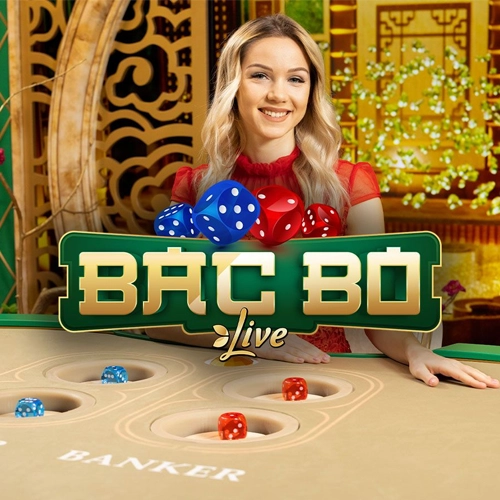
The live games portfolio on the platform includes several primary categories, each housed in a dedicated studio environment. Standard table games such as roulette, blackjack, and baccarat are the most prevalent categories. Roulette tables feature a mechanical wheel, a ball release mechanism, and multiple camera angles to capture the wheel spin and ball trajectory. Blackjack tables are configured with a semi-circular felt layout, card shoe, and discard tray, accommodating up to seven seated player positions. Baccarat tables follow the standard squeeze or non-squeeze formats, with a dedicated area for the dealer and camera close-ups on the card values.
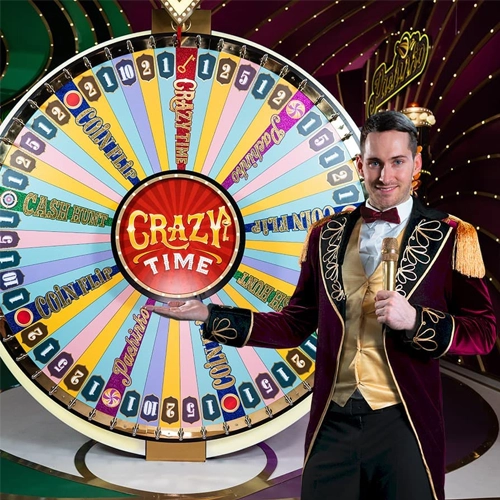
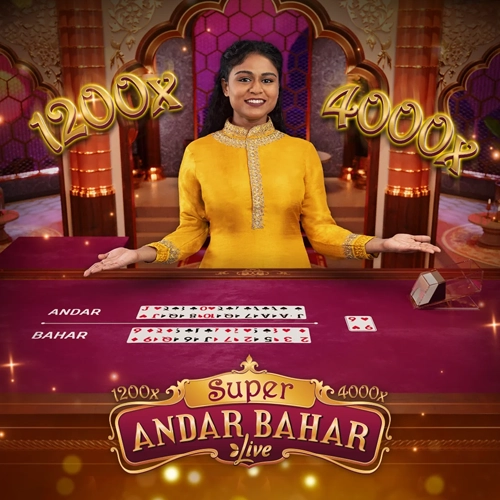
In addition to these core games, the platform offers game-show style formats. These include wheel-based games, card draw games, and number-picking games, often presented from larger, themed studio sets. Each studio is built with controlled lighting, multiple high-definition cameras, and a central table or game apparatus. The gameplay principles for all categories are fixed: players place bets via a digital interface, the dealer initiates the game action, and results are determined by physical equipment or random number generation as per provider specifications. The underlying structure prioritises procedural clarity rather than spectacle.
Streaming Technology, Interface Tools, and Technical Requirements
The technical delivery of live games relies on a combination of video streaming, data synchronisation, and interface software. Video streams are encoded using standard protocols such as H.264 or H.265, with adaptive bitrate technology adjusting quality based on the user’s network conditions. Streams are available at resolutions up to 1080p, with frame rates typically set at 30 frames per second. The platform supports playback on desktop browsers, mobile browsers, and dedicated tablet interfaces. For optimal performance, a minimum internet connection speed of 4 Mbps is recommended, though lower speeds may trigger automatic downscaling of video quality.
Latency between the player action and the dealer response is managed through dedicated streaming servers. Typical round-trip latency ranges from 0.5 to 2 seconds, depending on the provider’s server infrastructure and the user’s geographic proximity to the broadcast server. The player interface includes a bet placement panel, historical round data, and real-time camera selection controls. Bet input mechanics rely on a standard chip-based system, where players select chip denominations and place wagers on a digital overlay of the table layout. A countdown timer enforces the betting window, after which no further bets are accepted. The interface does not alter game rules or dealer behaviour; it merely provides a control layer for the participant.
Dealer Responsibilities, Game Pacing, and Rule Enforcement
Dealers are trained to operate according to strict procedural manuals provided by the game supplier. Their responsibilities include managing the flow of the game, verifying bets, announcing results, and handling card decks or roulette balls in a consistent manner. In blackjack and baccarat, card handling follows a predetermined sequence of shuffles, cuts, and draws. Card shoes are replaced at regular intervals, and some tables utilise continuous shuffling machines. For roulette, the dealer releases the ball in the same direction and spin speed to maintain procedural consistency, though outcomes remain inherently random.
Game pacing is standardised: each round follows a fixed timeline, from betting window opening to result settlement. The dealer does not adjust the speed of play. Fairness controls are embedded in the operational process. Table equipment is inspected regularly, and camera footage provides a full audit trail. In game-show formats, the outcome-generating apparatus - such as a physical wheel or an electronic randomiser - is visible to all players. Outcomes are not influenced by player behaviour or betting patterns. All procedures are documented and fall within the compliance frameworks required by the United Kingdom Gambling Commission’s licensing conditions for remote casinos.
Table Limits, Provider-Based Restrictions, and Regional Availability
Table limits for live games are set by the game provider and vary across categories. Minimum stakes for blackjack and baccarat tables typically start at £1 per hand, while roulette tables may have a minimum chip value of £0.50 for inside bets. Maximum stakes can reach £1,000 for standard tables and up to £10,000 for high-limit tables. Side bets, where available, carry their own independent limits. During peak hours, such as evenings and weekends, certain tables may show higher occupancy rates, though additional table instances are often added to maintain availability.
Availability of specific game types is managed through provider licensing. Not all providers hold a licence valid for the United Kingdom. Therefore, the selection of live dealer games is limited to studios with a valid Gambling Commission licence. Regional constraints also apply to specific bet types or game variants. For example, some roulette versions with "en prison" rules may not be offered to UK players due to regulatory stipulations. The platform applies geolocation verification to enforce these restrictions. For illustrative purposes, the table below outlines typical limits and availability patterns for the main game categories.
| Game Category | Minimum Stake (£) | Maximum Stake (£) | Peak Hour Availability |
|---|---|---|---|
| Roulette | 0.50 | 1,000 | 10+ tables |
| Blackjack | 1.00 | 1,000 | 8+ tables |
| Baccarat | 1.00 | 2,000 | 5+ tables |
| Game-show formats | 0.10 | 500 | 3+ tables |
The term temple tumble megaways slot refers to a separate slot game title unrelated to live dealer operations. Similarly, the search phrase temple tumble megaways free describes a demo mode for that slot product. The jackpot structure known as temple tumble 2 max win is a feature of a specific online slot, not a live game offering. The phrase stone temple pilots tumble in the rough is a music reference and has no association with any game or operational procedure on the platform. These terms are noted here to clarify that they do not pertain to live dealer game categories, technical operations, or dealer gameplay, and they are not referenced in any live game section.